


Cheesemakers, deli artisans, and gourmet food producers rely on clear, professional labels to present their products safely and attractively. Whether you sell soft cheeses, aged wheels, charcuterie, antipasto, olives, dips, spreads, or handcrafted deli items, high-quality labels ensure customers know exactly what they’re buying while supporting food-safety and retail compliance.
Why Artisan Food Producers Use Self-Adhesive Labels
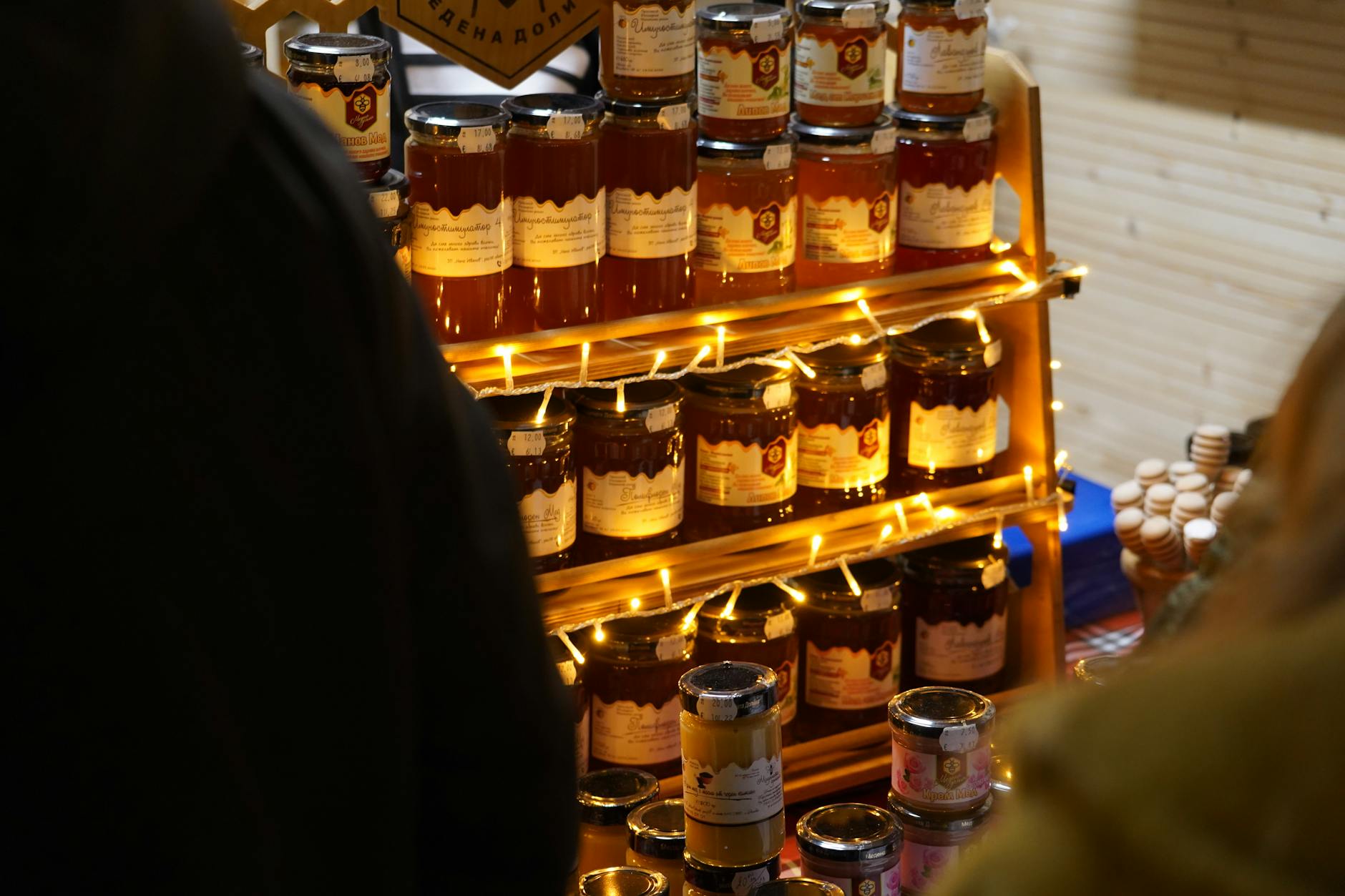
Gourmet foods need precise information — ingredients, allergens, storage notes, and use-by dates — along with strong branding that reflects your product quality. Labels help products stand out at delis, farmers markets, independent grocers, and online stores.
Choose the Right Label for the Job


Common uses for labels include:
- Ingredient and allergen labels for cheeses, meats, dips, spreads, olives, antipasto, and deli items
- Use-by dates and packed-on labels to meet food-safety requirements
- Storage instruction labels (“Keep refrigerated”, “Consume within 3 days of opening”)
- Branding labels for cheese wheels, wedges, jars, tubs, and vacuum-sealed packs
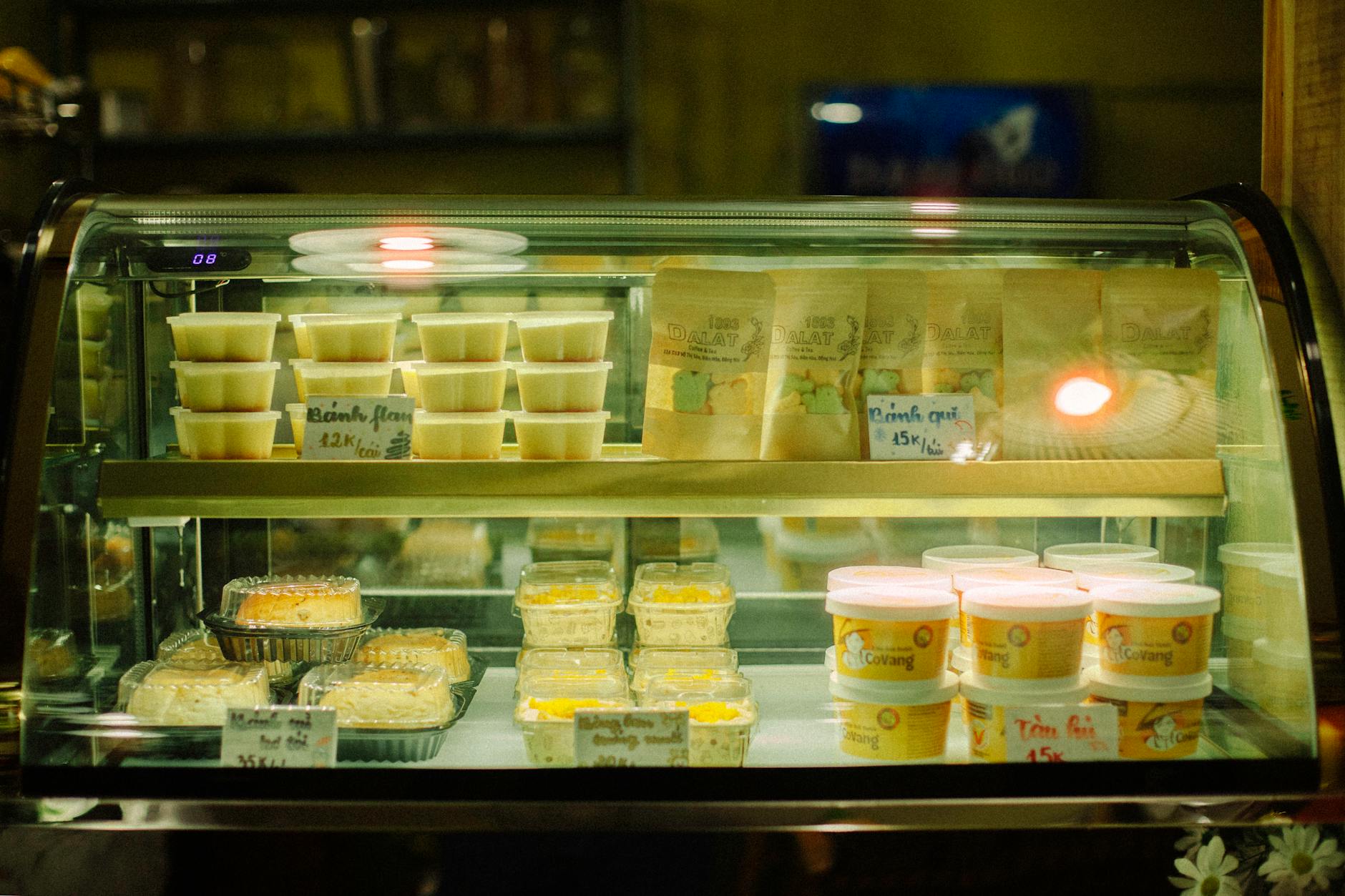
- Weight and pricing labels for retail shelves and deli counters
- Batch labels for traceability and production control
- Flavour and variety labels (smoked, marinated, aged, mild, hot, etc.)
- Barcodes for store scanning, inventory, and wholesale distribution
- Nutritional panel labels for pre-packed or retail products
- “Made locally” and provenance labels emphasizing small-batch production
Popular label types for artisan food producers include:
- Waterproof and refrigerated-grade labels
- Clear gloss labels for premium glass and plastic packaging
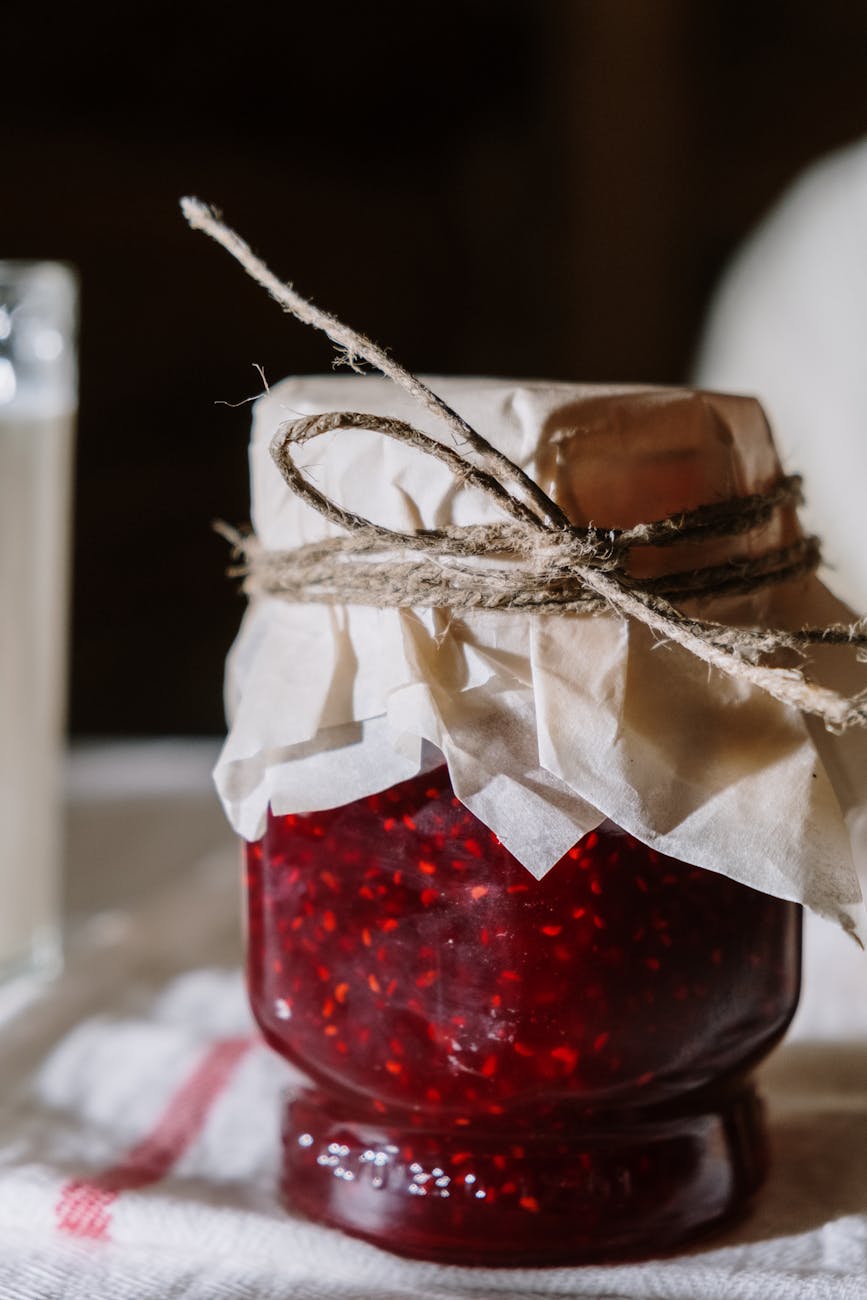
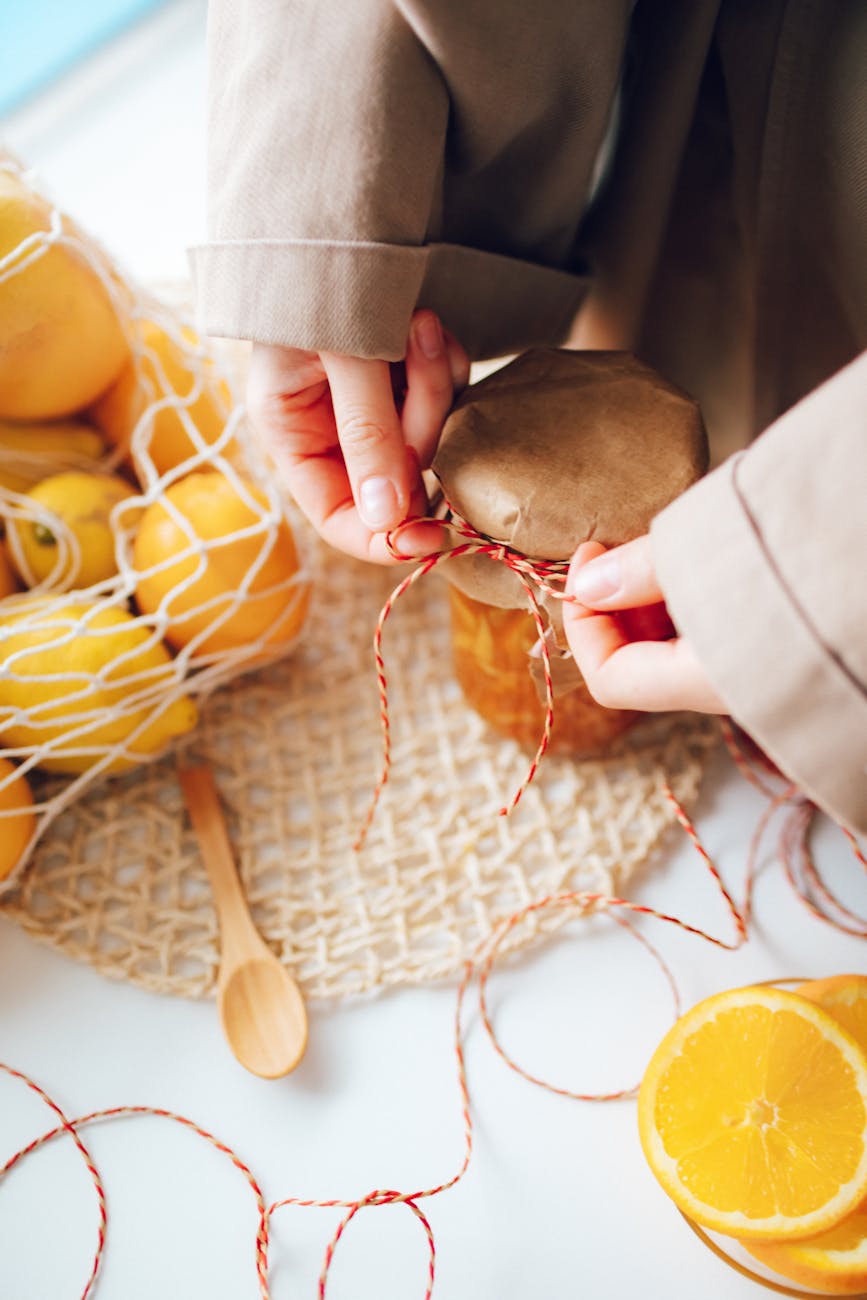
- Kraft labels for rustic, farmhouse-style branding
- Small round labels for cheese rinds, lids, and tubs
- Rectangle wrap labels for packs, jars, and deli containers
- High-tack labels for vacuum-sealed or cold surfaces
- Large labels for bulk deli packs and wholesale trays
- Tamper-evident seal labels for jars, tubs, and retail-ready items